

I’m delighted to be publishing this piece today by Zac Seidler, the Global Director of Men’s Health Research at Movember, an Associate Professor with Orygen at the University of Melbourne and a member of the Advisory Council of the American Institute for Boys and Men. Zac is the world’s clearest, sanest and strongest voice on men’s health. As you’ll see, for him, this is personal as much as professional. Check out and subscribe to the Movember Institute’s substack here. Zac’s is here.
Men’s Health: Why We All Have Skin in This Game
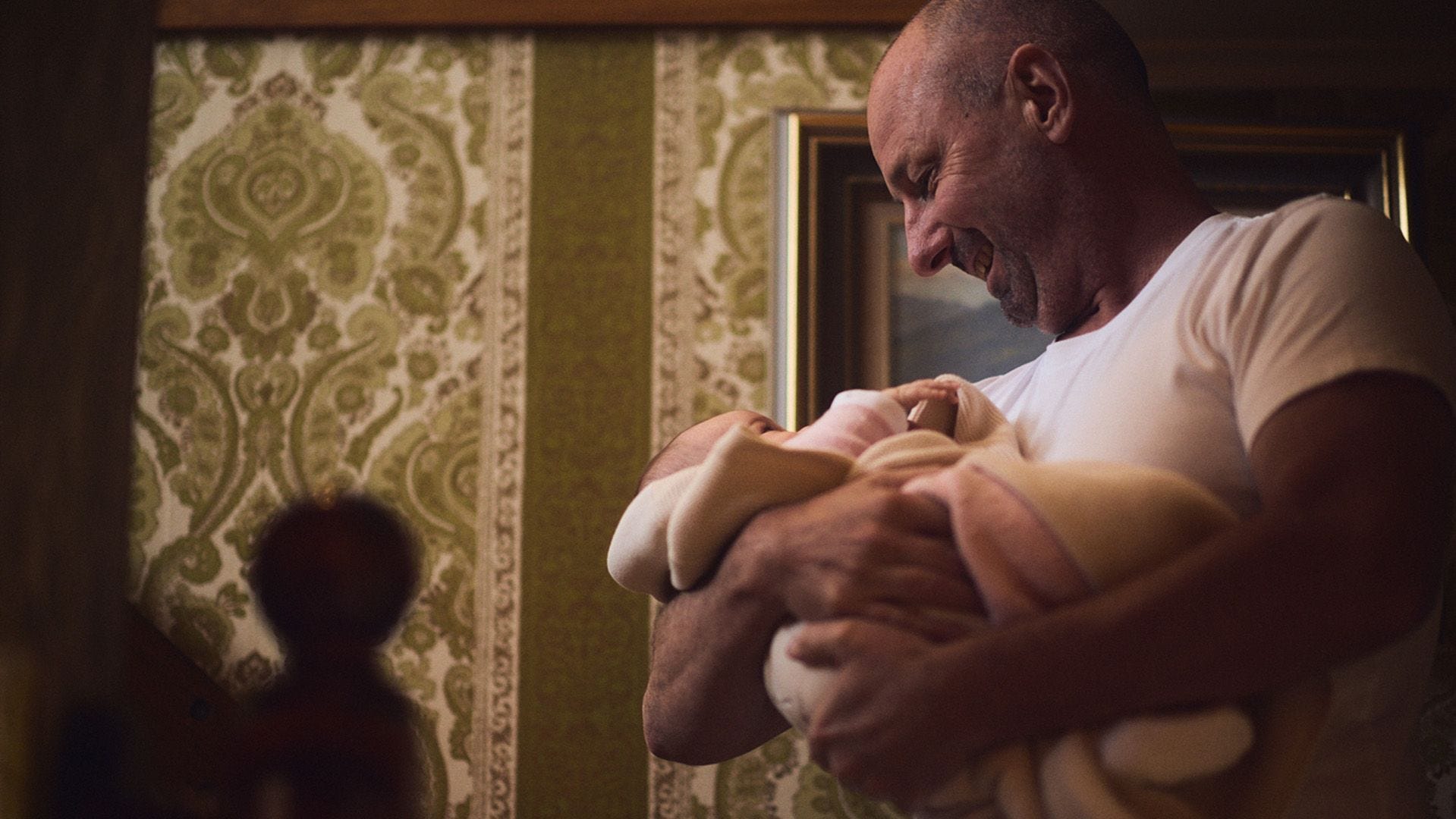
In January, I will become a father. My son will arrive into a world where men, on average, die five years earlier than women and largely from preventable causes. I’ve spent years analyzing men’s health data at Movember—aggregating mortality rates, tracking help-seeking behavior, and measuring the gap between when symptoms emerge and when some men finally decide to act on them and show up to the clinic. It is becoming increasingly difficult to keep these statistics at arm’s length, as I am now faced with the prospect of caring for a life so malleable, so fragile, and so intrinsically linked to my own.
My father died in July 2013. Depression had worn him down over the years, and one day the weight became unbearable. What I inherited wasn’t just grief but a forensic understanding of how one man’s untreated pain detonates across a family system. As January approaches, I’m learning to hold two truths simultaneously: I’m preparing to become a father while reckoning with the permanent absence of my own.
These past months, I’ve been immersed in finalizing The Real Face of Men’s Health—the most comprehensive assessment of American men’s health outcomes to date, released this month from our team at the Movember Institute of Men’s Health and our partners at the University of Pennsylvania. The report deliberately dismantles the counterproductive way health advocacy is often navigated: as a zero-sum competition between demographics, as though improving outcomes for men somehow diminishes resources for women. As though the health of fathers exists independently from the wellbeing of their children, partners, and communities.
Here’s the contradiction we refuse to name; we tell men to abandon rigid self-reliance and ask for help when struggling, while simultaneously celebrating and valorising their self-sacrifice. We praise men for working themselves into early graves to provide for families, then express bafflement when they don’t prioritize preventive care.
The cognitive dissonance is lethal.
The Real Face of Men’s Health makes clear that the most strategic thing I can do for my unborn son isn’t to martyr myself for his benefit. It’s to remain alive, healthy, and emotionally available—to model that his father’s wellbeing is infrastructure, not indulgence.
I keep returning to John Donne’s meditation I came across in my undergraduate studies:
“No man is an island, / Entire of itself; / Every man is a piece of the continent, / A part of the main.”
Our report shows that 53% of American men die prematurely before age 75 (the WHO threshold for premature death). I can name specific men behind this statistic. Our report documents that preventable risk factors account for 77% of male deaths and 54% of healthy years lost.
I see my father’s face, calculate the decades more he should have lived. Our 4,000-person sample reveals most men wait weeks or months after symptoms appear before seeking help. I remember the colleague who attended a three-day conference with a partially collapsed lung because “it seemed manageable.”
The ‘islands’ we inhabit are all intrinsically linked, and each choice men make about their health and wellbeing reverberates across the communal ocean, shifting the intensity of the waves lapping at the shores of our friends and family.
Fathers and Sons
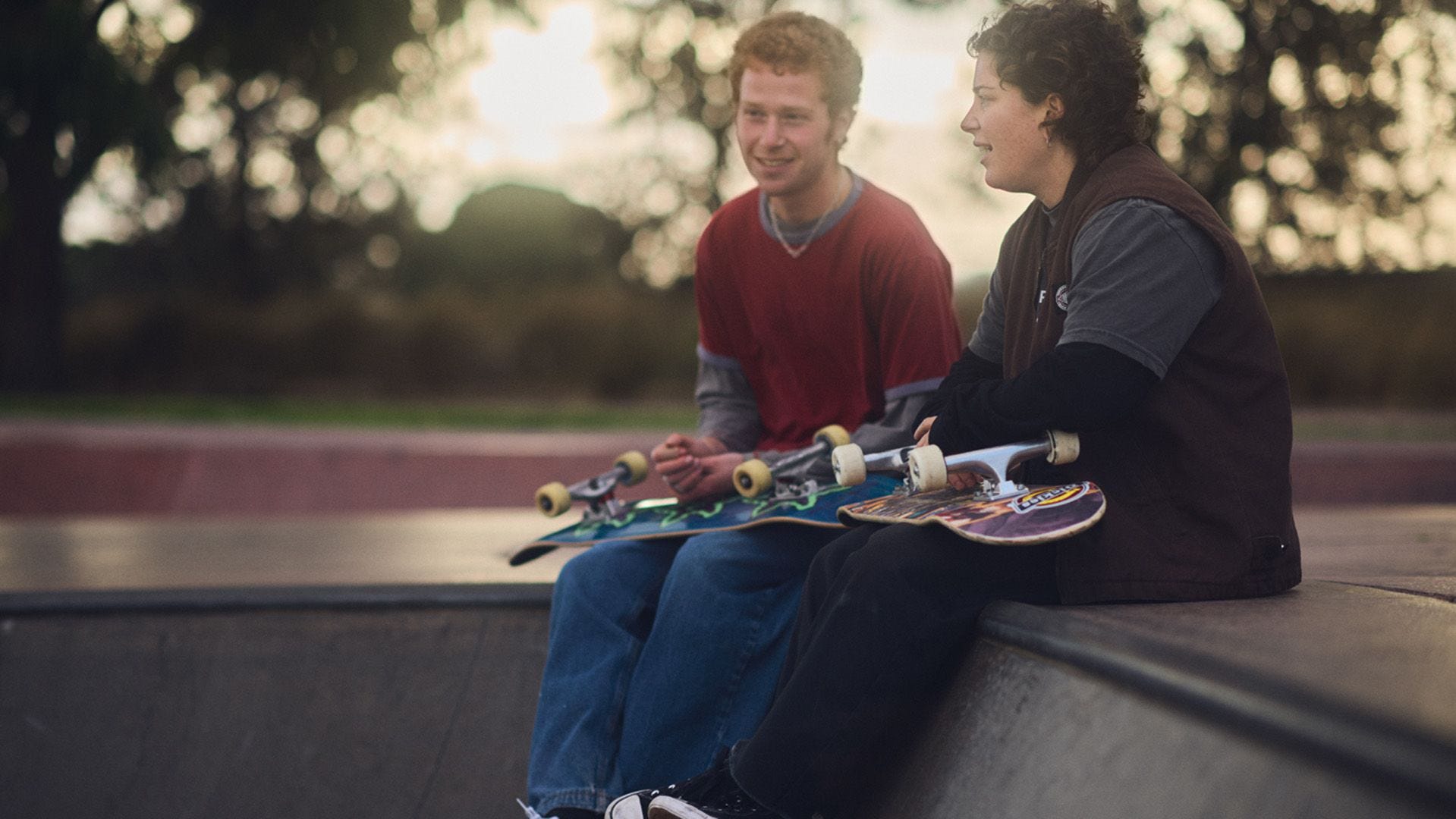
The father-son dyad is where masculine health patterns transmit across generations—and where intervention becomes possible. The past decade has produced measurable shifts: help-seeking for mental health has tripled among men, involved fatherhood has moved from anomaly to standard, and emerging research links increased father engagement with improved cognitive development, emotional regulation, and mental health outcomes in children. The question isn’t whether men can change. It’s whether we’ll build systems that make sustained change the norm rather than the exception.
But pilot programs aren’t infrastructure. We need:
programs for dads integrated into pediatric practices and community centers—dedicated spaces where fathers can process the disorienting experience of contemporary parenthood collectively rather than in isolation.
systematic mental health screening for fathers at well-child visits, acknowledging that paternal depression affects over 10% of new fathers and significantly predicts childhood depression years downstream.
health practitioners trained and ready to connect and engage with men in all their diversity when they come through the door.
workplace policies that make parental leave genuinely accessible to fathers without implicit career penalties.
These aren’t ambitious requests—they’re minimum viable interventions that will help create conditions for new fathers to thrive – so that their partners and children thrive too.
My son will learn masculinity primarily through observation, not instruction. Each time a father prioritizes his mental health, reaches out to a friend instead of withdrawing, demonstrates that emotional honesty strengthens rather than weakens relationships—he provides his son with a different template. Not an idealized one, but a functional one, oriented toward connection rather than stoic isolation. I couldn’t save my father. I can offer my son an alternative architecture.
Men aged 30-34 in the United States—prime fatherhood years—experienced an 85% increase in mental health problems over the past decade. These are men navigating precarious employment, economic instability, and new parenthood – the most profound identity transition imaginable. If we fail to develop mechanisms to reach, recognize, and respond to fathers, the pattern persists: sons inherit a fractured blueprint of manhood they feel obligated to replicate.
This means transparency when I’m struggling. Maintaining my friendships so he observes that men require each other—because data shows only 38% of men would seek emotional support from friends, compared to 54% of women. Demonstrating that vulnerability expands rather than contracts relationships. When 25% of young men report frequent loneliness—the highest rate of any demographic across wealthy nations—I want my son to witness his father constructing an alternative pattern.
And yes, every November, he’ll watch me grow an objectively terrible mustache for Movember—the kind of deliberate absurdity that transforms strangers into co-conspirators in men’s health advocacy, that renders the invisible concrete. I’m already anticipating his adolescent mortification, hoping he’ll cringe at his father’s November facial hair until he’s old enough to grow his own and join voluntarily. Because disrupting intergenerational cycles sometimes looks like showing up, initiating difficult conversations, normalizing men’s health as topic material—even when the method involves looking verifiably ridiculous.

This drives the continuation of our work: not merely documenting health disparities but identifying specific intervention points that create conditions for men and fathers to function well. Our data indicates 44% of informal caregivers report mental health decline from caring for men. Supporting men’s health interrupts intergenerational transmission, reduces this caregiver burden and builds communities where connection is recognized as foundational rather than optional.
I have felt first hand through my father’s death that ‘no man is an island’.
The work ahead isn’t about perfecting masculinity or achieving some rigid, unattainable ideal of fatherhood. It’s about constructing systems that permit men to be fallible, interconnected, and fully human. It’s about establishing conditions where my son—where all sons—might inherit enthusiasm to redefine what it means to be a man, with the structural support to make it happen.
Thank you Zac for your work for men. It seems clear to me that your work is also a part of your grief. Men tend to use action as a way to honor their loss. Through the action their grief transforms and takes on meaning. Looks to me that you are connecting your work with men with your father's death. This is something I have been working with as a therapist for many years and it is totally misunderstood as men go into therapy and are expected to talk, talk, talk. While talking surely helps, the men are usually automatically taking some action that honors their loss and if only the therapists could see this the tx would go much smoother....
What I see is the need for the mental health industry to change and start to understand men, That means understanding testosterone, hierarchy, precarious manhood, the empathy gap and much more. Here's a link to a post I did on 6 things the mental health industry gets wrong about men. https://menaregood.substack.com/p/6-things-the-mental-health-industry
Richard, feminists don't give a damn about men or men's health. The men in Congress allow them to bulldoze the male half of the population. They created 10 offices for women's health, and ZERO offices for men's health. Three times more taxpayer funds are spent on breast cancer than prostate cancer.